Category Uncategorized
Thank you for your patronage.
Enjoy “Ever Lasting Love Poems.” by Dr. Rhemalyn Lewis-Williams.

Team Espy (Espy for Congress) highlight Juneteenth celebration
Meredith,
Today is Juneteenth: A day to celebrate the emancipation of Black Americans from chattel slavery, and remember the long and ongoing struggle for freedom in America.
We know that though the Emancipation Proclamation was signed on January 1, 1863, it wasn’t until June 19, 1865 that a group of enslaved people in Galveston, Texas were finally freed. And of course, the Emancipation Proclamation didn’t prevent Black codes, Jim Crow, or the systemic racism that hurts Black Americans to this day.
Our country has a long way to go. But we can start by acknowledging Black joy as an act of resistance.
As you hopefully saw, Juneteenth was celebrated in a BIG way today! All across the country, folks participated in Black-led celebrations and rallies. Several states and companies declared Juneteenth an official holiday. We must ensure that Juneteenth is recognized as an important celebration of emancipation on June 19 every year.
This afternoon, Team Espy showed up for Black Lives Matter Mississippi’s Juneteenth street festival on historic Farish Street in downtown Jackson, Mississippi. It was a space to celebrate Blackness and connect with one another.
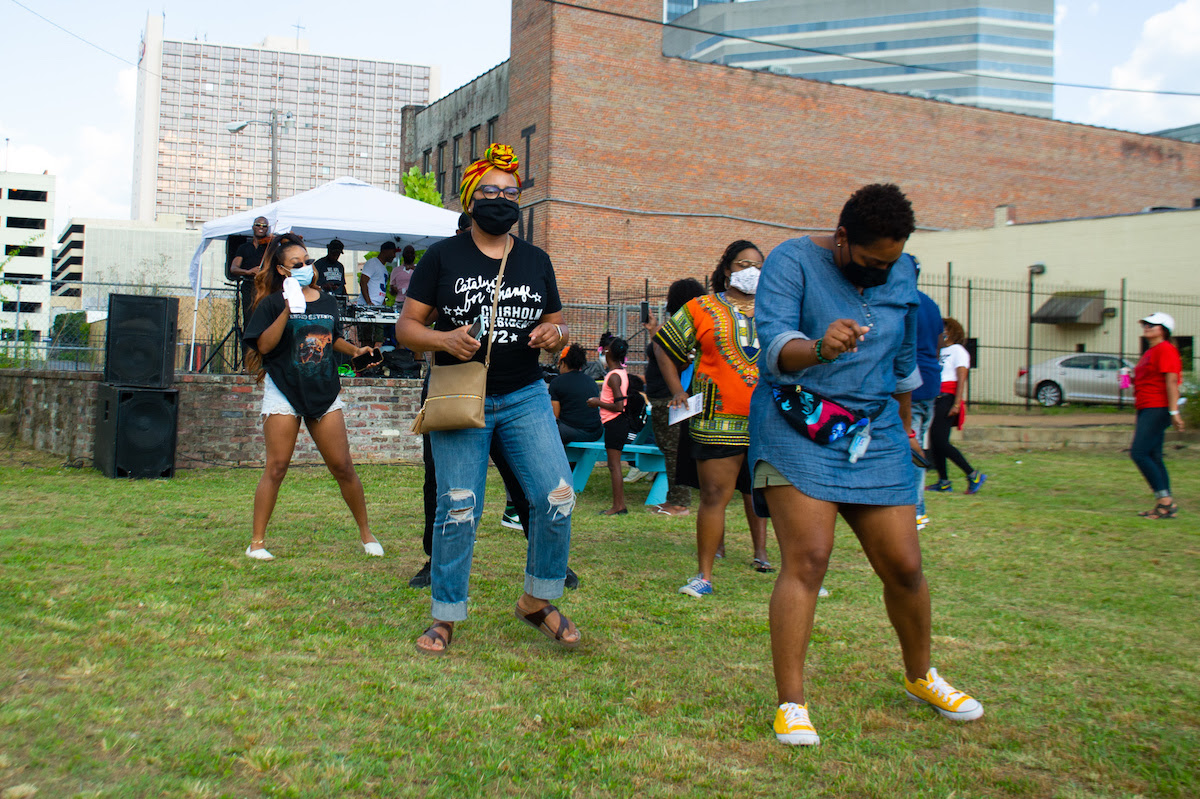
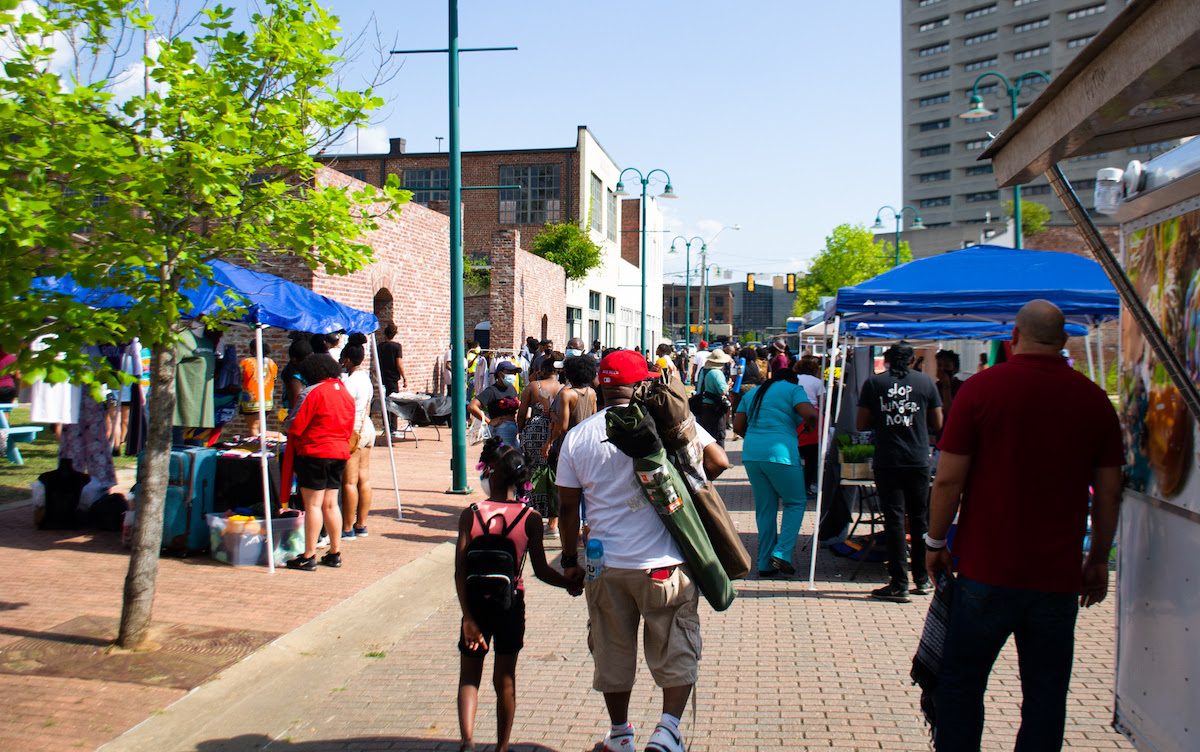
There was dancing, good food, and we all pitched in to help paint this mural! During times like these, celebrations like this are more important than ever.
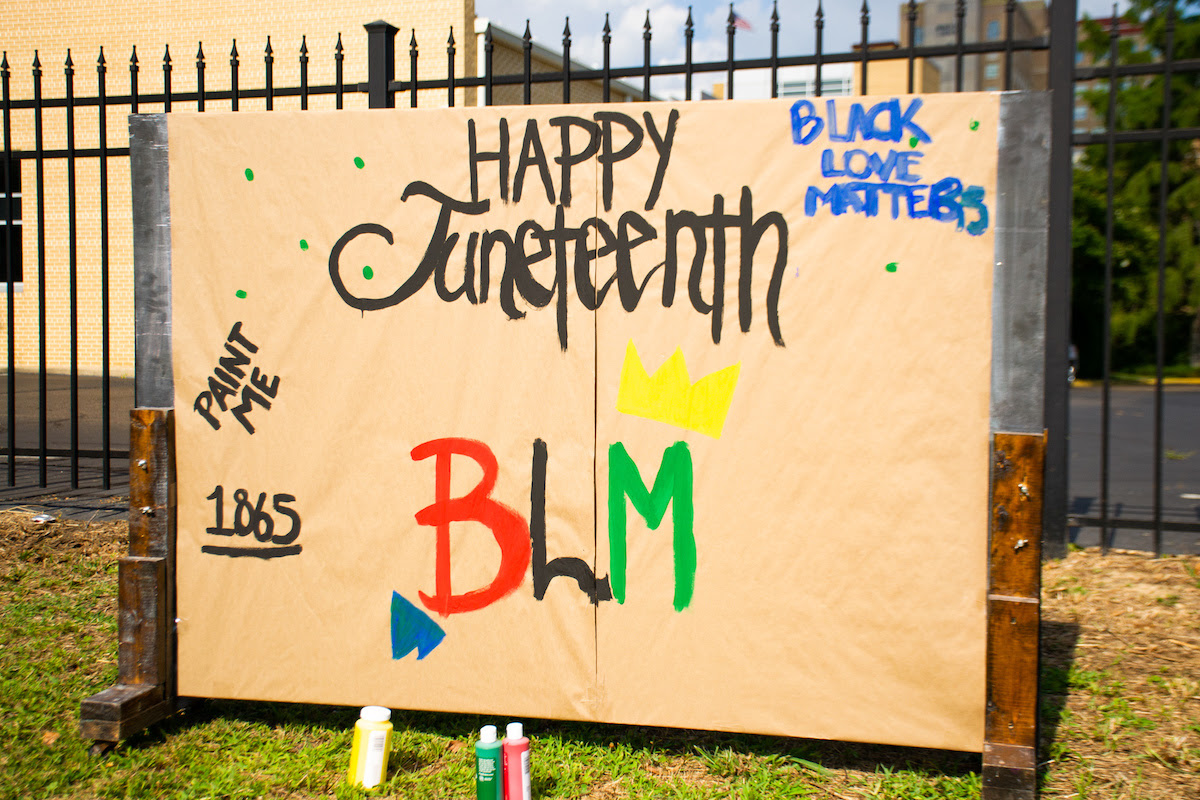
On Juneteenth, and every day, we must commit to fighting for justice. A better and brighter Mississippi is possible if we continue pushing forward, and if we continue fighting systems and symbols that hold us back, instead of uniting us.
Our campaign is committed to that fight, and we hope you are, too.
— Team Espy
Congresswoman Barbara Lee’s Truth, Racial Healing, and Transformation Commission
Happy Juneteenth, Meredith C!
On June 19, 1865, Union soldiers marched to Galveston, Texas, with news that the Civil War had ended and slavery was abolished. Keep in mind — this is more than two years after the Emancipation Proclamation and around 250,000 enslaved people had yet to be freed.
And while today is a celebration, it’s also a reminder of how deep racism has penetrated our systems, and how much farther we have to go to achieve true freedom.
When Black mothers are three to four times more likely to die from childbirth than white women, that’s not freedom.
When Black folks are increasingly and disproportionately murdered by police, that’s not freedom.
When Black Americans are suppressed and discouraged from voting, that’s not freedom.
When Black people are locked out of the tech industry, when Black unemployment is almost twice the national average, when Black students are denied equal education opportunities, that’s not freedom.
Let’s not sugarcoat it: racism is alive and well in America. That’s why I’m introducing a resolution to form the Truth, Racial Healing, and Transformation Commission to reflect, embrace, and address the unprecedented diversity and racialized history of the United States.
My Mother grew up in the segregated South. She knew the price of freedom and sacrificed so much so her daughters would have a better life. I hold that inspiration with me wherever I go.
That’s why I co-founded the Black Maternal Health Caucus. That’s why I’m a member of the Taskforce on Black Youth Suicide and Mental Health. That’s why I spend every single day fighting for reproductive freedom, a living wage, affordable housing, and climate change — because I know these issues affect African Americans 10x more than their white counterparts.
I’m fighting as hard as I can to expel racial discrimination from our systems and bring about true emancipation for every person of color. Thanks for fighting with me.
In solidarity,
Barbara Lee
Congresswoman Barbara Lee endorsed a Meredith Etc title: Juvenile Offenders: From Big Wheels to the Big House edited by Rosemary Jenkins.

Thank you for shopping Meredith Etc


Thank you for shopping with us. Happy reading!
ENJOY Starkishia: Estrella by Starkishia. Starkishia is also the co-author of another memoir Mary’s Story and Song.
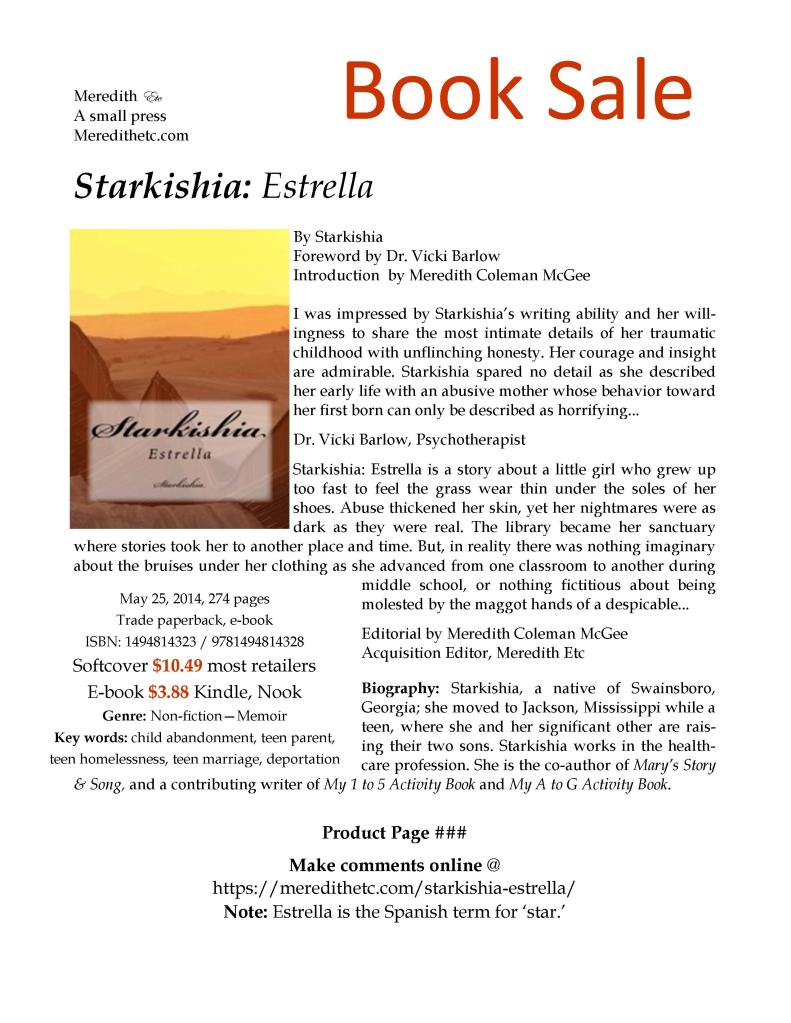
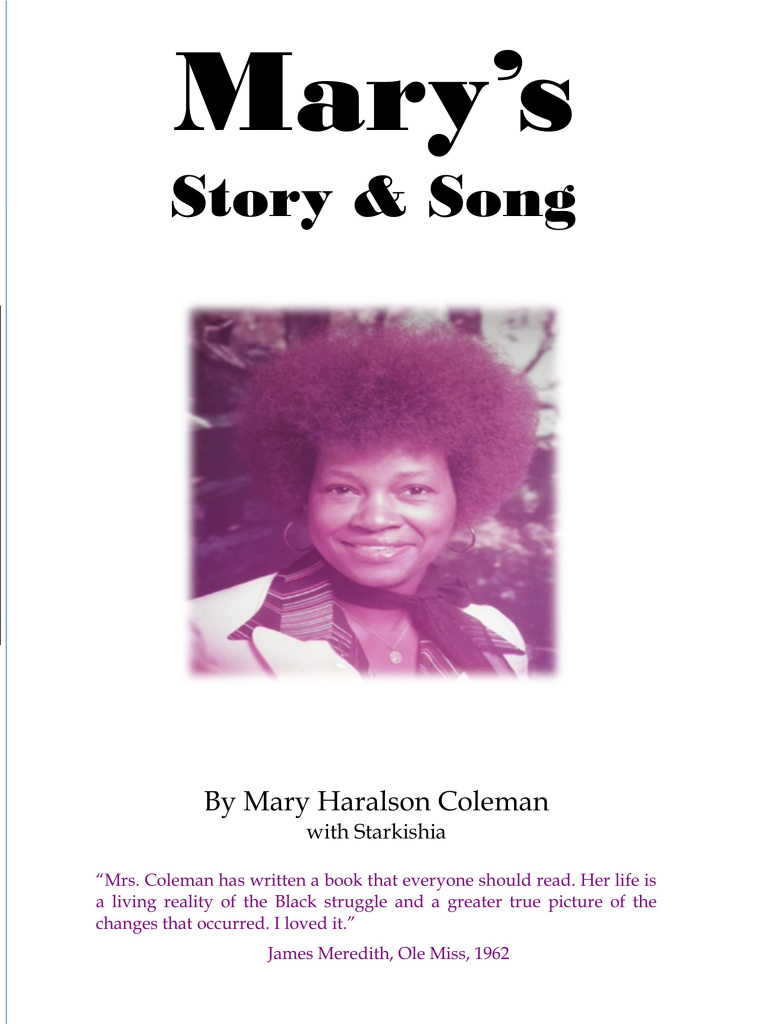
Book lovers choose Meredith Etc books

Mike Espy remembers Medgar Evers 57 years after his assassination June 12, 1963
Meredith,
I wanted to take a moment today to honor Medgar Evers, one of Mississippi’s fiercest champions of justice. He was assassinated in his driveway 57 years ago today by a white supremacist.
Evers was the Mississippi NAACP State Conference’s first field secretary. In this position, Medgar traveled across the state to local NAACP branches helping to fight racial descrimination and injustice because of Jim Crow laws in Mississippi. He investigated lynchings, recorded hate crimes, and recruited Mississippians to the NAACP. This was an extremely dangerous job to have at the time, but Medgar persisted.
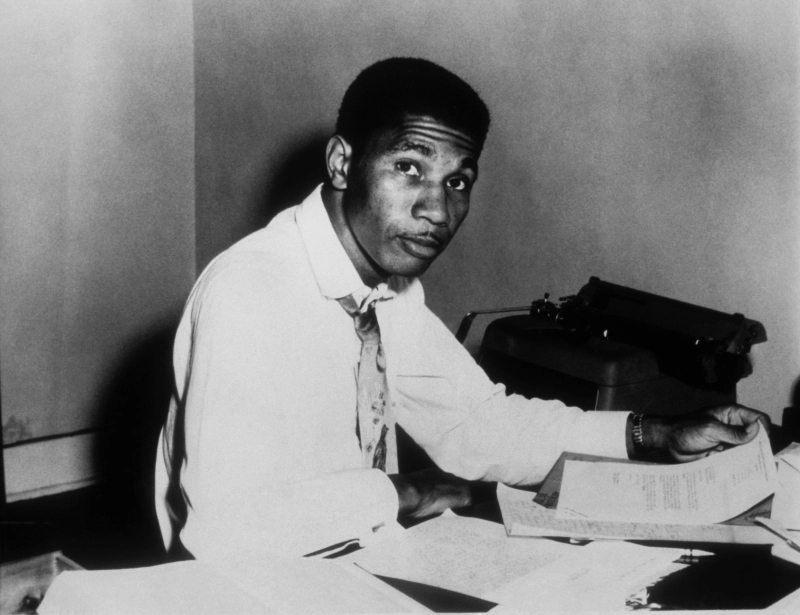
Medgar was mentored by T.R.M Howard, who was president of the Regional Council of Negro Leadership in (RCNL) in Mound Bayou, Mississippi. Here, he was trained in activism, and as an insurance salesman he was able to travel across the state and witness injustice against Black Mississippians.
Medgar helped to plan and execute many boycotts against white merchants who discriminated against Black patrons. He was influential in James Meredith’s integration of the University of Mississippi. Evers himself tried to integrate the University of Mississippi Law school in 1954, but was shut out.
He was a supporter of student activism and assisted in student-led sit-ins across the state, and in the City of Jackson (where his office is still located). And that office is still used today by the current executive director of the Mississippi NAACP State Conference.
Medgar was a war veteran, had three children, and was married to his college classmate, Myrlie. Myrlie Evers-Williams is a civil rights icon in her own right, and I am deeply grateful to call her a friend.
Medgar Evers is a true Mississippi hero. We still feel his loss today, but his legacy lives on in all of us fighting for a new Mississippi.
Thanks for all you do.
— Mike
Bastards of the Party
Alex Demyanenko is the producer of Bastards of the Party, the acclaimed 2005 documentary about the history of gangs in Los Angeles that exposed systemic police abuse in the City of Angels. It debuted at the Tribeca Film Festival and later aired on HBO.
It can be seen here: https://vimeo.com/325984494
 Meredith Etc